The emergence of the shadowy web has transformed the domain of online commerce, giving rise to a new genre of marketplaces that function beyond the reach of regular law enforcement. These dark web markets, typically accessed by the secrecy of crypto coins, allow users to trade a diverse selection of goods and services—including legal and illegal items. Ranging from digital privacy tools to contraband items, the appeal of the hidden web lies in its promise of secrecy and the ability to engage in transactions that traditional web cannot support.
As users flock to these secretive sites, they utilize the unique capabilities of peer-to-peer currencies like Bitcoin, forming a complex web of exchanges that challenge traditional financial systems. Although some may search for these spaces to get unique collectibles or privacy tools, others explore riskier territories where prohibited substances and forbidden services are merely a click away. This piece delves into the captivating world of hidden web markets, investigating their mechanisms, impact, and the ongoing battle between law enforcement and obscure online dealers.
Grasping the Dark Web
This hidden part of the internet is a segment of the internet that is not indexed by traditional search engines, making it accessible only through particular software, configurations, or permissions. It operates on an encrypted network, ensuring users’ anonymity and security. This setting attracts a variety of activities, from lawful privacy-focused communications to illicit transactions. The notion of the dark web often leans toward malicious use, but it is vital to understand its intricacy.
On the dark web, numerous marketplaces have emerged, where goods and services can be traded with minimal oversight. These markets typically deal in products that vary from digital services, such as hacking tools and stolen data, to material items like drugs and counterfeit goods. The anonymity provided by cryptocurrencies plays a significant role in facilitating these trades, as buyers and sellers interact without the need to share personal information. This creates a distinct economy, driven largely by the desire for privacy and the demand for goods that are either illegal or hard to obtain on the surface web.
Navigating the dark web requires caution and a basic understanding of how its structure functions. Accessing these hidden areas involves using specific browsers like Tor, which anonymizes traffic and helps protect users from surveillance. While the dark web can be a refuge for those seeking privacy or fleeing oppressive regimes, it also carries intrinsic risks, such as frauds, exposure to prohibited content, and possible legal consequences. As users navigate into this hidden layer of the internet, they must weigh the benefits against the risks associated with its use.
The Rise of Cryptocurrency in Underground Markets
The emergence of cryptocurrencies has significantly altered the ecosystem of dark web markets. Initially, these markets relied on conventional payment methods, which frequently led to traceability and law enforcement intervention. With the adoption of Bitcoins and other digital currencies, users gained an extraordinary level of anonymity, allowing them to conduct deals without revealing their identities. This transition not only facilitated the expansion of these markets but also attracted a larger range of buyers and sellers seeking to partake in illicit transactions without the risk of detection.
Digital currencies provide both buyers and sellers with special advantages in underground markets. Transactions are decentralized, making it difficult for authorities to monitor the flow of money. Features such as anonymity and cryptography further protect users, ensuring that their financial activities remain hidden. As a consequence, many dark web markets have embraced cryptocurrencies as their primary method of transaction, with Bitcoin leading the way due to its broad recognition. However, other cryptocurrencies, such as Monero and Ethereums, have also gained traction for their improved privacy attributes, further diversifying payment options available to users.
The surge of digital currency in dark markets has not gone ignored by authorities and regulatory bodies. As the utilization of these cryptocurrencies proliferates in criminal operations, authorities are more and more targeting their use. This has led to the development of instruments and tactics aimed at tracking and controlling digital currency exchanges. Despite these obstacles, the appeal of anonymity and the decentralized nature of digital currencies continue to drive their acceptance within dark web markets, suggesting that they will remain critical to this shadow economy for the foreseeable future.
Risks and Repercussions of Participating with Darknet Markets
Involvement with darknet markets presents numerous of dangers that can have significant legal and financial repercussions. One of the most significant dangers is the likelihood for law enforcement involvement. Governments around the world are increasingly monitoring dark web activities, and many individuals have faced detentions for purchasing or trading illicit goods. Participating in these markets can lead to inquiries that expose users to criminal charges, fines, and even imprisonment.
In furthermore to legal dangers, there are considerable security concerns associated with dark web transactions. The anonymity that these platforms offer can attract malicious individuals, including fraudsters and cybercriminals. Users may find themselves targets of deceit, losing funds without receiving the promised goods. Moreover, there is the threat of receiving harmful or poor-quality products, which can lead to injury or financial loss. The absence of regulation means that recourse for those affected is virtually absent.
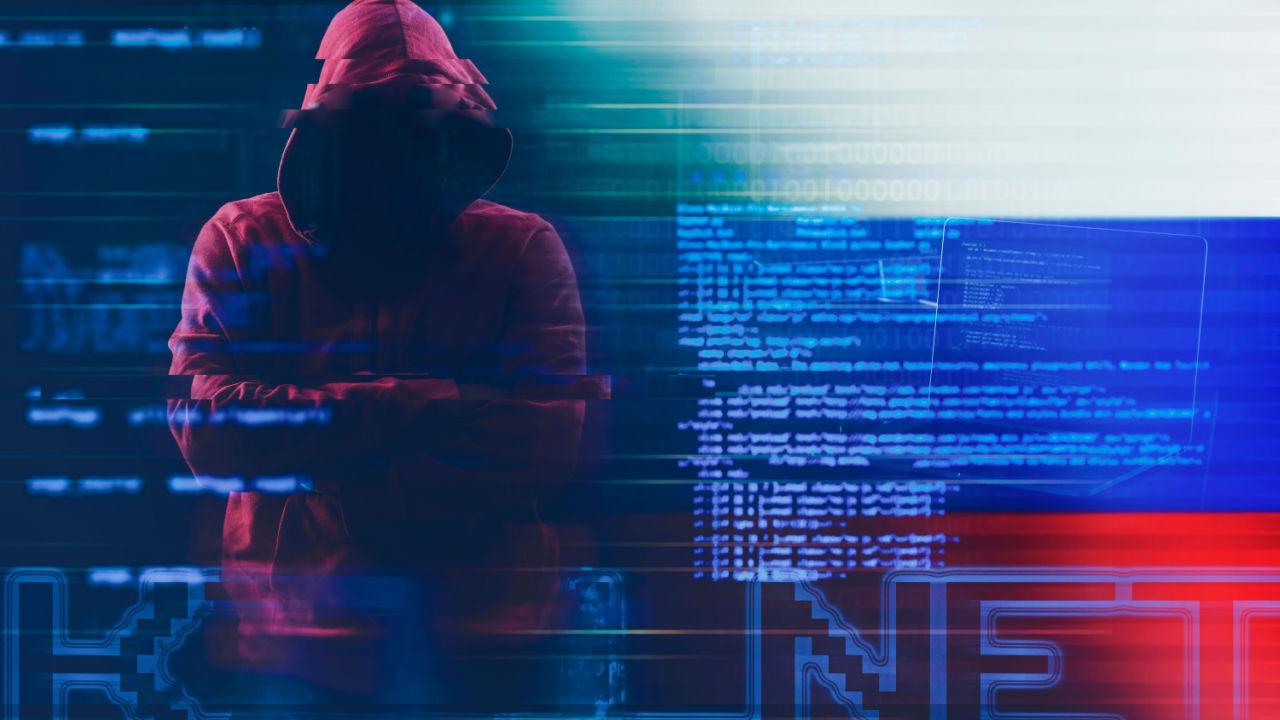
In conclusion, engaging with dark web markets can have lasting effects on an individual's personal and professional life. Being involved in darknet site can tarnish a person's standing, affecting employment opportunities and personal relationships. The digital footprint left behind can also lead to continuous monitoring and worry, as users constantly fret about being tracked or exposed. The appeal of fast profits can blind individuals to the lasting consequences that such participation may entail.